
Organizations today are shifting from isolated workforce initiatives to a more holistic, integrated approach, one that strategically combines corporate wellness, productivity optimization and leadership development. This triad reflects a broader understanding: sustained performance and long-term growth require more than operational efficiency. They demand a workforce that is healthy, purpose-driven and continuously evolving. By aligning physical and mental well-being with daily performance metrics and leadership cultivation, companies are creating environments where people thrive and businesses outperform.
Technology plays a pivotal role in unifying these domains into a connected system. Wellness platforms have expanded beyond physical activity tracking to include mental health check-ins, stress monitoring and personalized recovery insights. Productivity tools, once limited to task management, now operate as intelligent systems that identify engagement trends, highlight workflow inefficiencies and provide actionable insights.
In talent development, machine learning is being used to map skillsets, surface leadership potential and tailor growth paths based on real-time performance data. Within an integrated digital framework, these technologies enable a continuous feedback loop: wellness data informs performance strategies, productivity insights drive targeted development and leadership efforts reinforce a culture grounded in well-being and shared success.
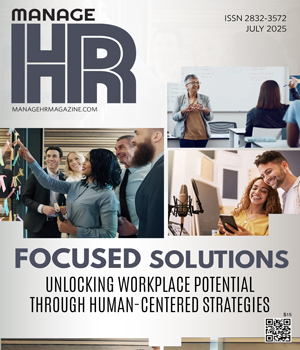
This edition of Manage HR explores how organizations are reshaping workforce strategy by blending well-being initiatives with performance innovation and rethinking how leadership is developed through a more inclusive lens. It features insights from Deborah Dawson, regional safety manager at Bozzuto, who emphasizes the importance of proactive engagement, continuous learning and positive reinforcement to effectively lead and foster a strong safety culture in the workplace. Denver N. Ritz-Vorwald, MSHRM, head of talent development & organizational effectiveness at Hormel Foods, highlights that leadership is a skill for all, not just those with titles, and calls for inclusive, tiered development at every level.
We hope this edition encourages you to rethink traditional workforce models and offers practical insights to help you build healthier, more resilient and people-centered organizations.